Your Phoenix business relies on roll-up doors to secure inventory, protect equipment, and maintain climate control. But how do you know if your investment will actually last? Roll-up door cycle life testing is the answer—a critical evaluation that determines how many open-and-close cycles your door can withstand before performance degrades or failure occurs. Understanding cycle life testing helps you make informed decisions about installation, maintenance, and long-term reliability. This guide explains what cycle life testing means, why it matters for your facility, and how Arizona Roll Up Door Service helps businesses throughout the Phoenix metro area ensure their doors perform dependably for years to come.
Understanding Roll-Up Door Cycle Life Testing
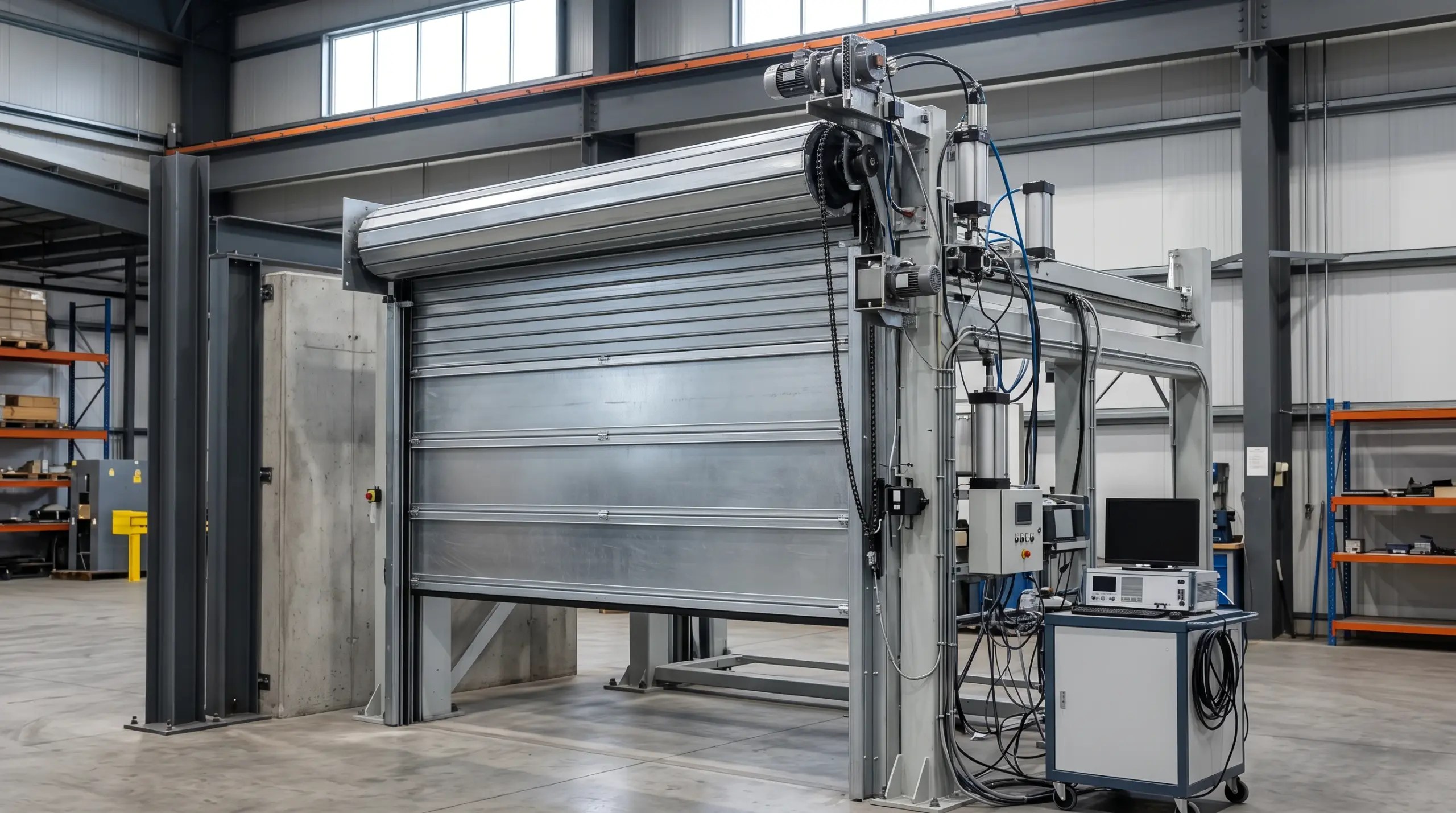
Roll-up door cycle life testing measures how many complete open-and-close cycles a door can perform while maintaining safe, reliable operation. A single cycle consists of one full opening and one full closing. During testing, engineers systematically operate the door thousands of times under controlled conditions, monitoring for wear, mechanical failure, or performance decline.
For commercial roll-up doors serving businesses in Avondale, Buckeye, Goodyear, Scottsdale, and across the Phoenix metro area, cycle life testing provides crucial data about commercial door durability testing and long-term reliability. Manufacturers conduct these tests to establish realistic expectations about door lifespan and maintenance requirements. A door rated for 100,000 cycles will perform very differently than one rated for 500,000 cycles, especially in high-use commercial environments where doors operate dozens or hundreds of times daily.
The testing process evaluates multiple components simultaneously: springs, cables, rollers, tracks, motors, and safety mechanisms. Real-world conditions—including Arizona’s extreme heat, dust, and temperature fluctuations—can accelerate wear beyond standard laboratory testing. This is why understanding your specific door’s cycle rating and your facility’s usage patterns is essential for predicting maintenance needs and replacement timelines.
How Cycle Life Testing Works
Standardized testing protocols, such as those established by industry organizations, ensure consistent evaluation across manufacturers. Doors are mounted in test chambers where automated systems cycle them repeatedly while sensors record performance metrics. Technicians monitor for spring degradation, cable fraying, roller wear, motor efficiency loss, and sensor responsiveness throughout the test period.
What Gets Measured During Testing
Cycle life testing evaluates force requirements, operational speed, noise levels, safety sensor functionality, and structural integrity. Any significant deviation from baseline measurements indicates component wear or mechanical issues that could affect real-world performance.
Why Cycle Life Ratings Matter for Your Phoenix Business
A door’s cycle life rating directly impacts your bottom line. Understanding the door cycle rating explained helps you calculate the true cost of ownership and plan maintenance budgets accordingly. A commercial roll-up door rated for 1 million cycles will outlast one rated for 100,000 cycles by roughly ten times—assuming similar usage patterns and maintenance.
For businesses in Phoenix experiencing heavy door usage, this difference translates to years of extended service life. Consider a warehouse opening and closing its roll-up door 50 times daily. A door rated for 250,000 cycles would last approximately 13 years before reaching its cycle limit, while a 1-million-cycle door could serve for 55 years. Higher-rated doors typically cost more upfront but deliver superior long-term value through reduced replacement frequency and fewer emergency repairs.
Arizona’s climate presents unique challenges that can accelerate wear beyond standard cycle life predictions. Extreme summer heat causes metal components to expand and contract, springs lose tension faster, and dust infiltration increases friction. Doors that might perform reliably in temperate climates may degrade more quickly in the Phoenix metro area without proper maintenance and quality component selection.
Commercial Door Lifespan Arizona Considerations
Phoenix businesses should factor Arizona-specific environmental stressors into cycle life expectations. High-quality roll-up doors installed and maintained by experienced professionals like Arizona Roll Up Door Service typically deliver reliable performance well beyond minimum cycle ratings. Our preventative maintenance programs address Arizona weather challenges through regular lubrication, spring tension inspections, and component assessments that keep doors operating at peak efficiency.
Interpreting Cycle Life Ratings and What They Mean
Roll-up door cycle life ratings typically range from 50,000 cycles for residential or light-duty applications to 5 million cycles for heavy industrial use. Understanding where your door falls on this spectrum helps you assess whether it matches your facility’s operational demands.
Light-duty ratings (50,000–100,000 cycles): Suitable for residential applications or commercial facilities with minimal door usage. These doors cost less initially but may require replacement or major repairs within 5–10 years in moderate-use environments.
Standard commercial ratings (250,000–500,000 cycles): Designed for typical commercial facilities with regular daily usage. These doors balance affordability with reasonable longevity, commonly lasting 10–20 years with proper maintenance.
Heavy-duty ratings (1 million+ cycles): Engineered for high-frequency use in warehouses, manufacturing facilities, and loading docks. These premium doors justify their higher cost through extended lifespan and reliability in demanding environments.
The relationship between Phoenix roll-up door reliability and cycle rating is direct: higher-rated doors generally incorporate superior materials, precision engineering, and robust component design. However, cycle rating alone doesn’t guarantee performance. Installation quality, maintenance consistency, and environmental factors equally influence real-world durability.
How to Find Your Door’s Cycle Rating
Check your door’s manufacturer specifications or installation documentation for cycle life information. If documentation is unavailable, the door’s model number can be referenced with the manufacturer or a qualified service provider like Arizona Roll Up Door Service. Our team can identify your door type and provide detailed information about its rated capacity and maintenance requirements.
Maximizing Roll-Up Door Lifespan Through Proper Maintenance
Even premium doors with high cycle ratings will underperform without consistent maintenance. Arizona Roll Up Door Service offers comprehensive preventative maintenance programs designed to extend door life and prevent costly emergency repairs. Regular service keeps components operating smoothly and identifies potential issues before they become serious problems.
Essential Maintenance Tasks
- Regular lubrication: Moving parts require periodic lubrication to reduce friction and wear. Arizona’s dry climate can cause lubricants to evaporate faster, necessitating more frequent applications than in other regions.
- Spring and cable inspections: These critical components bear the door’s weight and enable smooth operation. Regular tension checks prevent sudden failures and dangerous situations.
- Track cleaning and alignment: Dust and debris accumulation in tracks increases friction and forces motors to work harder. Clean, properly aligned tracks ensure smooth, efficient operation.
- Safety sensor testing: Modern roll-up doors include safety sensors that prevent operation if obstructions are detected. Regular testing ensures these life-safety features function correctly.
- Hardware inspection: Bolts, fasteners, and brackets loosen over time. Periodic tightening prevents component separation and maintains structural integrity.
Businesses throughout the Phoenix metro area—including Avondale, Buckeye, Goodyear, Scottsdale, and North Phoenix—benefit significantly from customized maintenance schedules. Arizona Roll Up Door Service develops service plans matched to your specific door type, usage frequency, and operational environment. This proactive approach typically reduces emergency repair costs by 60–80% compared to reactive repair-only strategies.
Addressing Common Wear Issues
As doors approach higher cycle counts, certain components naturally experience increased wear. Springs lose tension, cables develop fraying, rollers flatten, and motors lose efficiency. Identifying and addressing these issues promptly prevents cascade failures where one component’s degradation damages others. Our experienced technicians catch these problems during routine maintenance visits, replacing worn components before they compromise door function or safety.
When to Replace Your Roll-Up Door
Even with excellent maintenance, roll-up doors eventually reach the end of their practical lifespan. Understanding when replacement becomes more cost-effective than continued repair ensures your business maintains reliable door operation without excessive spending.
Consider replacement when repair costs exceed 50% of a new door’s price, when your door frequently requires emergency service, or when cycle count approaches manufacturer limits. Additionally, if your business needs have changed—perhaps you’ve expanded operations and now need higher cycle ratings—upgrading to a new door designed for your current usage level makes financial sense.
Arizona Roll Up Door Service provides professional installation of commercial-grade roll-up doors selected to match your facility’s specific requirements. Our installation process includes custom measurements, site assessments, seamless operation testing, and safety verification. We minimize business downtime and optimize energy efficiency while ensuring your new door delivers years of reliable performance.
Conclusion: Protecting Your Phoenix Business Investment
Understanding roll-up door cycle life testing empowers you to make informed decisions about your facility’s door systems. By selecting appropriate cycle ratings, implementing preventative maintenance, and addressing wear issues promptly, you protect your business investment and ensure reliable, safe operation for years to come.
Arizona Roll Up Door Service brings over 20 years of expertise to every project across the Phoenix metro area. Whether you need professional installation of high-performance commercial roll-up doors, expert repair of existing systems, or comprehensive preventative maintenance programs, our team delivers quality craftsmanship at competitive prices. Your business depends on dependable doors—let us help keep your facility secure and functional. Contact Arizona Roll Up Door Service today for a free consultation, and discover how proper cycle life understanding and professional service can maximize your door system’s performance and lifespan.