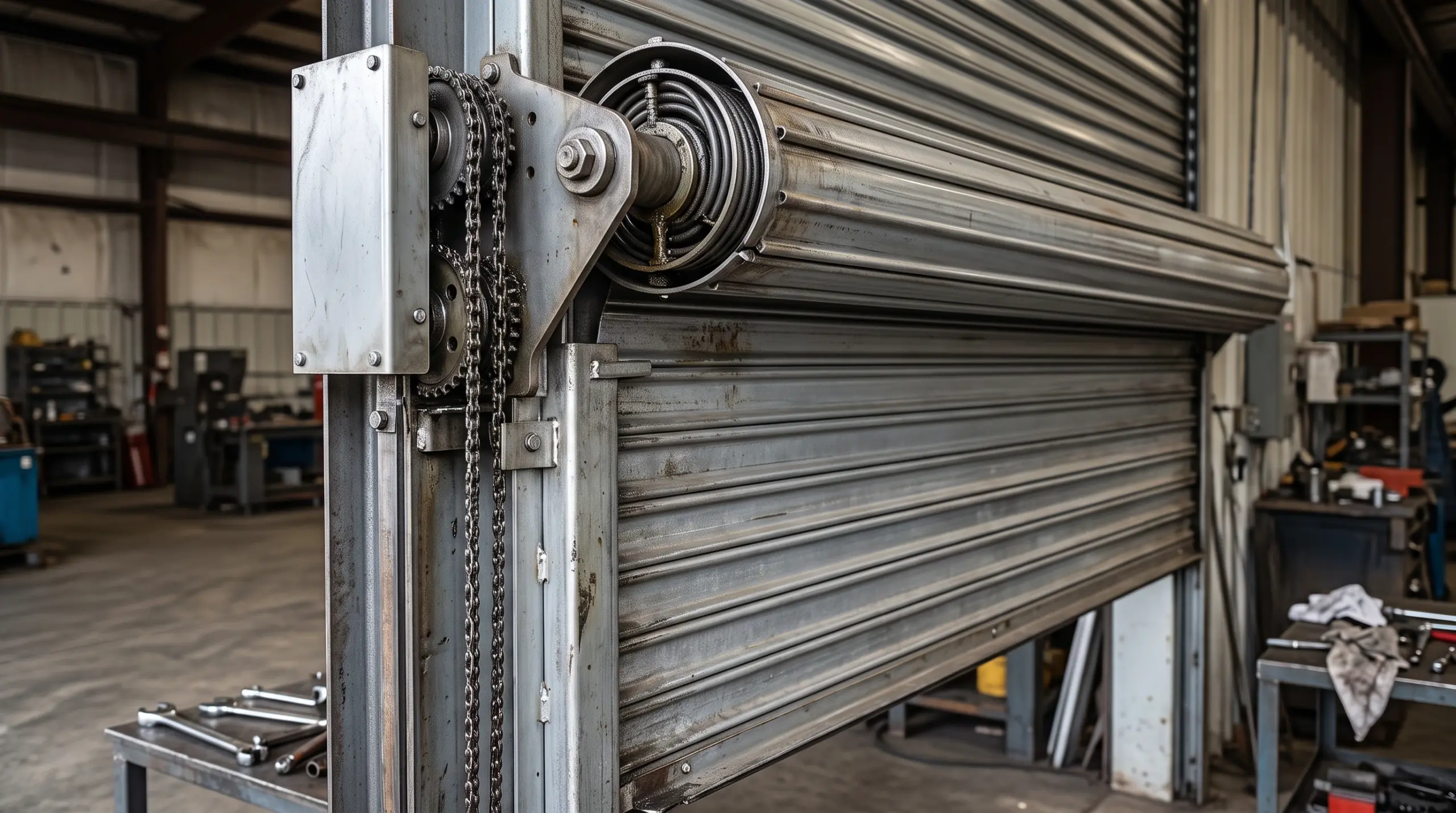
Your steel roll up door is one of the most critical assets protecting your Phoenix-area business. Yet many facility managers overlook one of the simplest ways to keep it running smoothly: a consistent steel roll up door maintenance schedule. Without regular preventative care, even high-quality commercial doors can develop costly problems that disrupt operations and drain your budget.
The good news? A proactive maintenance plan prevents most major repairs before they happen. In this guide, we’ll walk you through everything you need to know about maintaining your roll up door, from basic daily checks to professional service intervals. By following a structured maintenance schedule, you’ll extend your door’s lifespan, avoid emergency breakdowns, and protect your investment for years to come.
Why a Steel Roll Up Door Maintenance Schedule Matters
Steel roll up doors operate under constant stress. Every opening and closing cycle puts pressure on springs, cables, tracks, and motors. Over time, this wear and tear accumulates—but it doesn’t have to become a crisis.
A preventative door maintenance program catches small issues before they snowball into expensive repairs. For example, a slightly loose bolt might seem minor, but it can cause track misalignment, which then strains the motor, which eventually fails completely. What started as a $50 tightening job becomes a $2,000 motor replacement.
Beyond cost savings, regular maintenance keeps your door operating safely. Safety sensors, springs, and cables all have specific tension and alignment requirements. When these systems drift out of spec, your door becomes a liability. Preventative maintenance ensures your door meets safety standards and protects your employees and customers.
In the Arizona heat and dust environment, commercial door maintenance Phoenix-style requires special attention to lubrication and corrosion prevention. Our team has spent over 20 years perfecting maintenance schedules tailored to the Phoenix metro region’s unique climate challenges.
Monthly Maintenance Tasks for Your Roll Up Door
Monthly checks are the backbone of any effective maintenance schedule. These simple inspections take just 15–20 minutes but reveal developing problems before they become serious.
Visual Inspection and Lubrication
Start with a complete visual inspection. Walk the entire length of the door and look for:
- Visible damage to panels or sections
- Rust or corrosion on metal components
- Gaps between panels or misalignment
- Debris or obstructions in the track
- Loose bolts, brackets, or hardware
Next, apply lubricant to all moving parts. Use a silicone-based lubricant (never WD-40, which attracts dust) on:
- Track rollers and guide wheels
- Spring attachment points
- Cable pulleys
- Motor hinges and pivot points
Proper lubrication reduces friction, minimizes wear, and keeps your door operating quietly and smoothly.
Operational Testing
Operate the door through several complete cycles while listening and watching for unusual behavior. Does it move smoothly? Are there grinding sounds? Does it hesitate at any point? Does it stop evenly at the top and bottom? Any deviation from normal operation warrants further investigation.
Quarterly Professional Inspections
Every three months, schedule a professional inspection with a qualified technician. This is when the real diagnostic work happens. A trained eye catches problems that casual observation misses.
Spring and Cable Tension Assessment
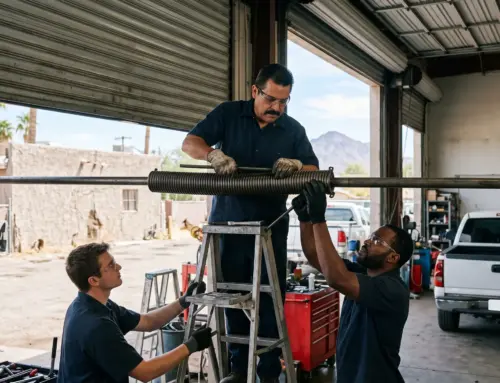
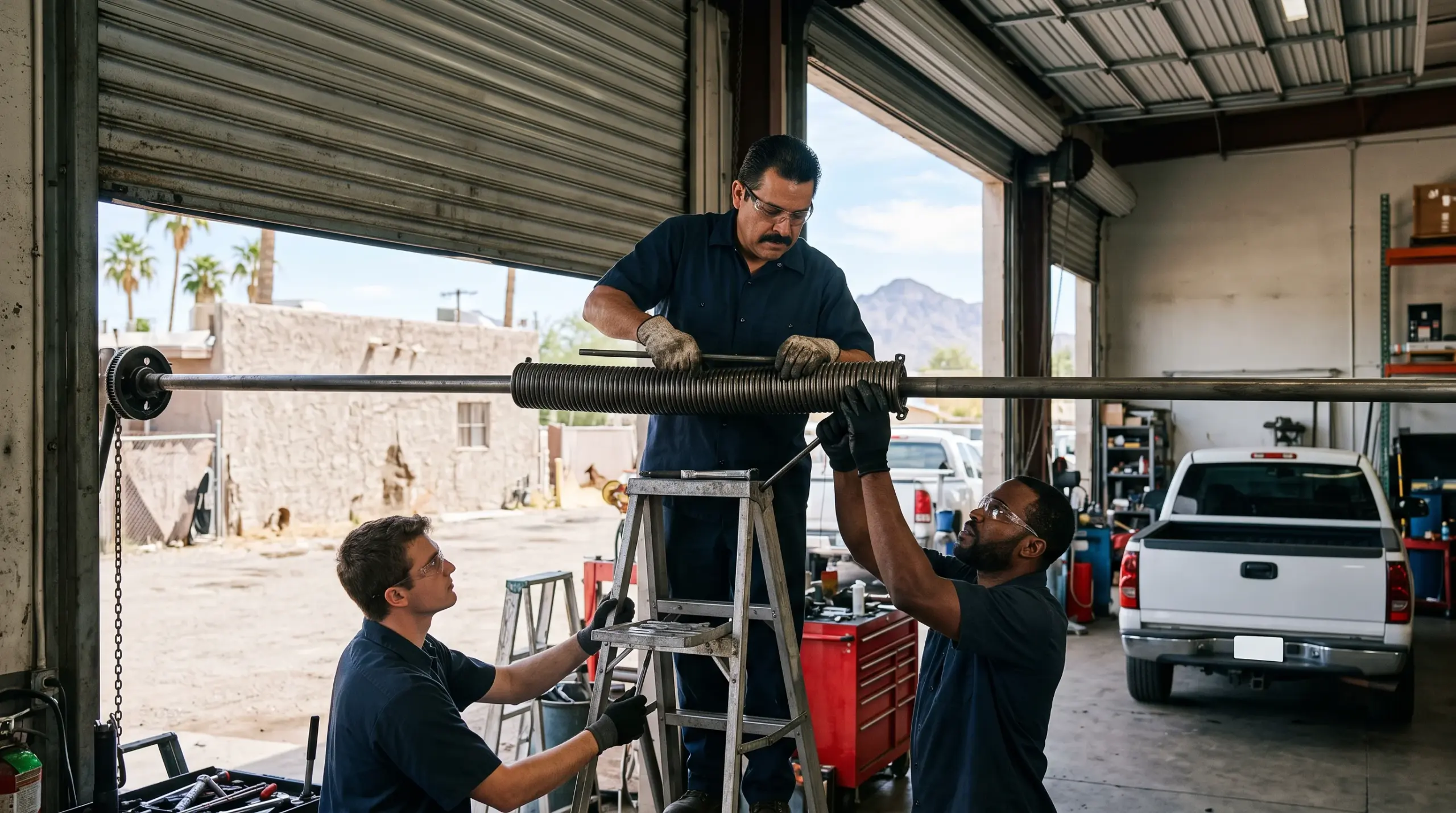
Springs and cables are the heart of your roll up door system. They bear tremendous tension and eventually wear out, but a professional can measure their tension and predict when replacement is needed. Catching a weakening spring before it breaks prevents the door from crashing down unexpectedly.
Track Alignment and Cleaning
Desert dust accumulates in tracks faster than in other climates. During quarterly service, technicians thoroughly clean tracks and check alignment. Misaligned tracks cause sluggish operation, strain the motor, and accelerate wear on rollers and cables. Professional track alignment ensures smooth, efficient operation.
Safety Sensor Testing
Safety sensors prevent the door from closing on people or objects. They’re critical safety devices that must function perfectly every time. Professional testing ensures sensors respond correctly and are properly aligned.
Annual Comprehensive Maintenance and Service Scheduling
Once yearly, schedule a comprehensive maintenance appointment that goes deeper than quarterly checks. This is the time to address any issues identified during regular inspections and to perform component replacements before they fail.
Component Replacement and Preventative Repairs
An annual service typically includes:
- Replacement of worn rollers or guide wheels
- Inspection and possible replacement of weather seals
- Motor and opener performance testing
- Electrical connection verification
- Hardware replacement as needed (bolts, brackets, fasteners)
- Spring and cable replacement if tension is compromised
Many businesses find it cost-effective to replace springs and cables during annual service rather than waiting for failure. Springs typically last 10,000–20,000 cycles (roughly 5–10 years depending on usage), so replacing them proactively prevents emergency repairs.
Customized Maintenance Schedules for Your Facility
The maintenance frequency that works best depends on your door’s usage. A warehouse door opening 50 times daily needs more frequent service than a retail door opening 10 times daily. High-traffic commercial doors may benefit from bi-monthly professional inspections, while lighter-use doors might need quarterly service.
Arizona Roll Up Door Service creates customized service schedules tailored to your specific situation. We assess your door’s age, usage patterns, and condition, then recommend an optimal maintenance calendar. This personalized approach ensures you’re investing in maintenance where it matters most.
Signs Your Door Needs Immediate Attention
While a regular maintenance schedule prevents most problems, some issues demand immediate professional attention. Don’t wait for your next scheduled service if you notice:
- Sluggish or slow operation — This often indicates lubrication problems or motor strain, but can also signal spring weakness
- Grinding, squealing, or unusual noises — These sounds suggest misalignment, worn components, or lack of lubrication
- Jerky or uneven movement — The door may not be tracking properly, risking derailment
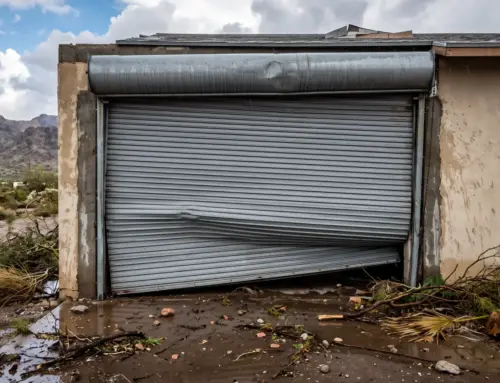
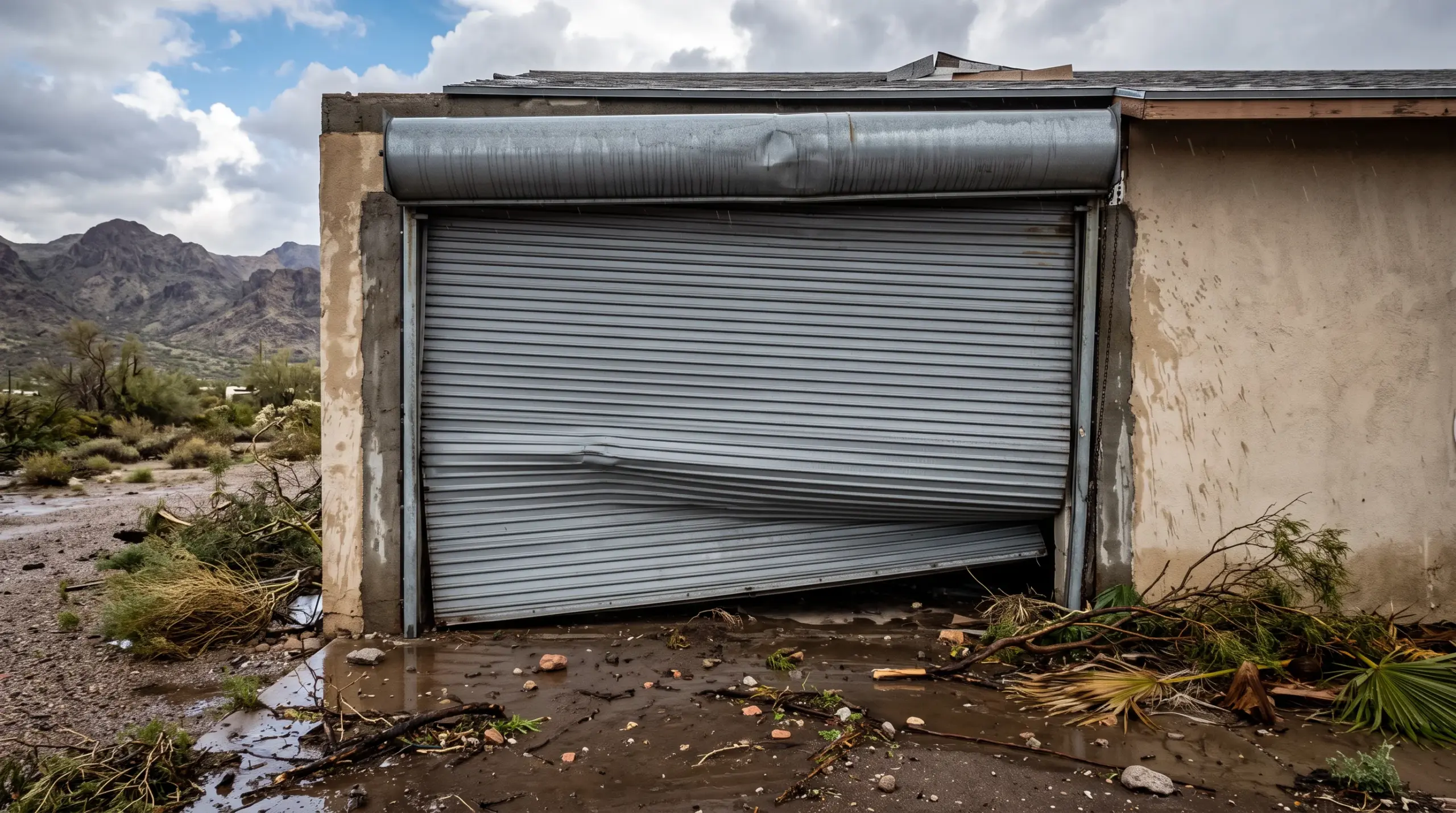
- Sagging sections or visible damage — Damaged panels compromise security and safety
- Safety sensor malfunction — If the door won’t respond to sensor input, stop using it immediately
- Motor won’t engage or remote control fails — Electrical issues can develop suddenly and need prompt diagnosis
When any of these issues appear, contact a professional immediately. Continuing to operate a malfunctioning door risks safety and can cause secondary damage that multiplies repair costs.
Creating Your Maintenance Schedule and Documentation
The best maintenance schedule is one you actually follow. We recommend:
- Create a calendar — Mark monthly inspection dates and quarterly/annual service appointments on your facility calendar
- Keep records — Document every inspection, service, and repair. This history helps technicians identify patterns and predict future needs
- Assign responsibility — Designate someone on your team to perform monthly checks and coordinate professional services
- Set reminders — Use email or calendar alerts to ensure you don’t miss scheduled maintenance
- Partner with a professional — Working with a trusted maintenance provider like Arizona Roll Up Door Service eliminates guesswork and ensures consistent, expert care
Extend Your Door’s Lifespan and Protect Your Investment
Steel roll up doors are built to last, but only when properly maintained. A door that receives regular care can reliably serve your business for 15–20 years or more. A neglected door might fail in half that time, costing thousands in emergency repairs and operational disruption.
The investment in a preventative maintenance program pays for itself many times over through avoided emergency repairs, extended door lifespan, and uninterrupted business operations. When you’re ready to establish a customized maintenance schedule for your commercial roll up door, the team at Arizona Roll Up Door Service is here to help.
With over 20 years of experience serving the Phoenix metro area—including Scottsdale, North Phoenix, Avondale, Buckeye, and Goodyear—we understand the unique demands commercial doors face in Arizona’s climate. We’ll assess your door’s condition, recommend an appropriate service schedule, and handle all professional maintenance and repairs. Contact us today to discuss a maintenance plan that keeps your door operating smoothly and protects your business for years to come.