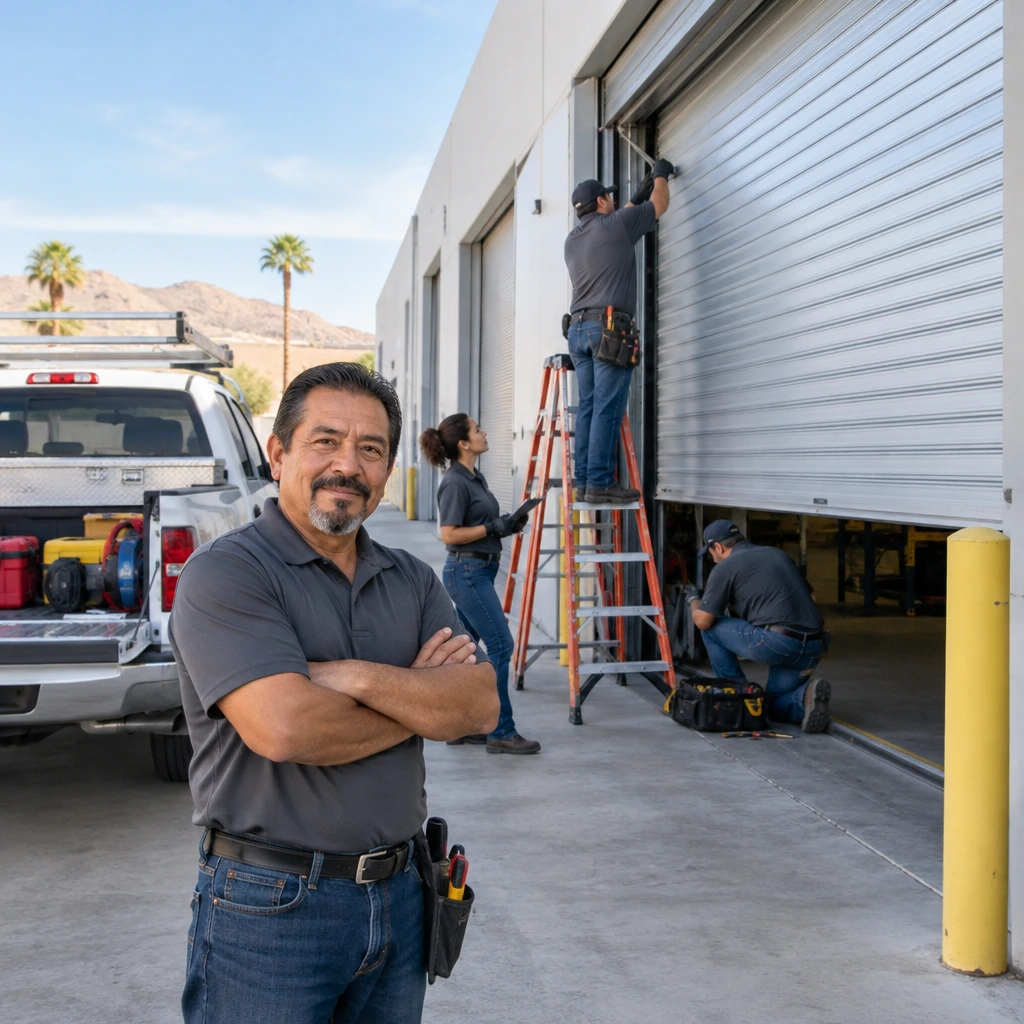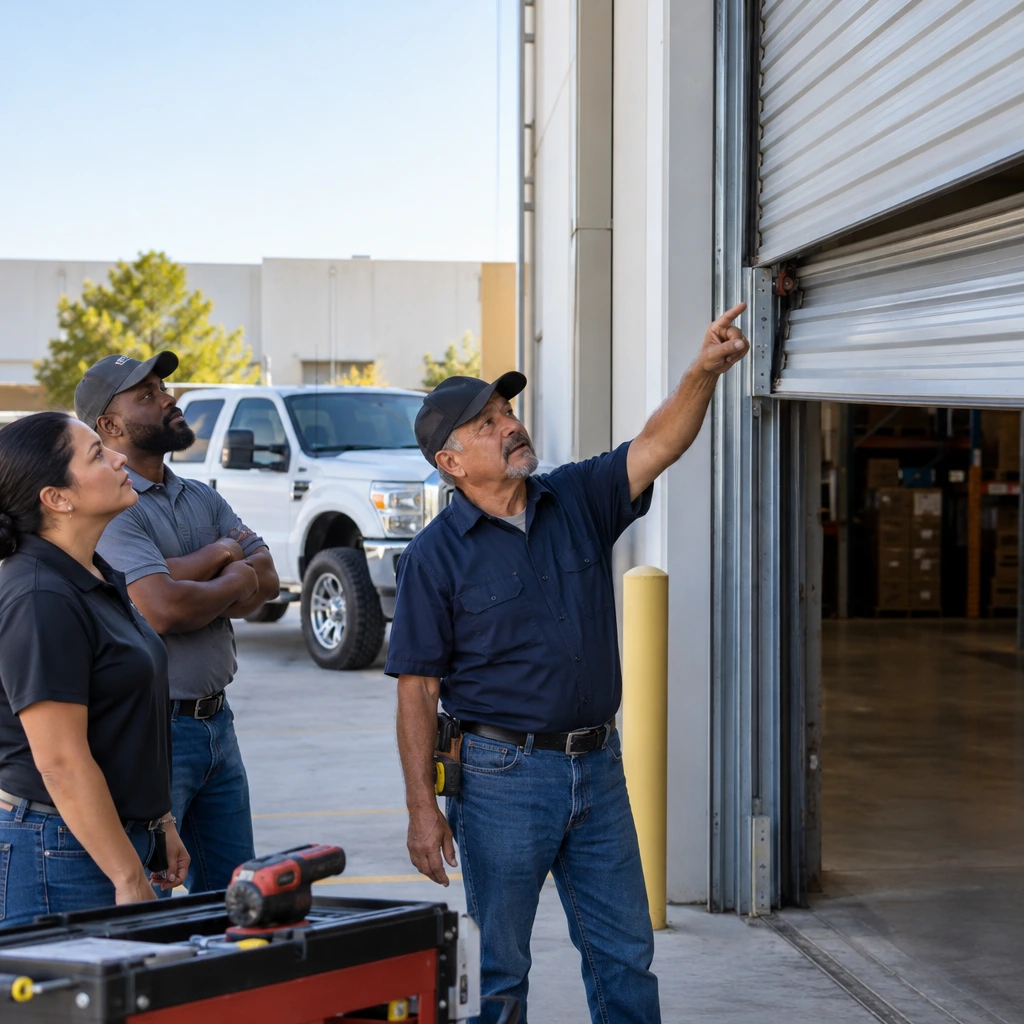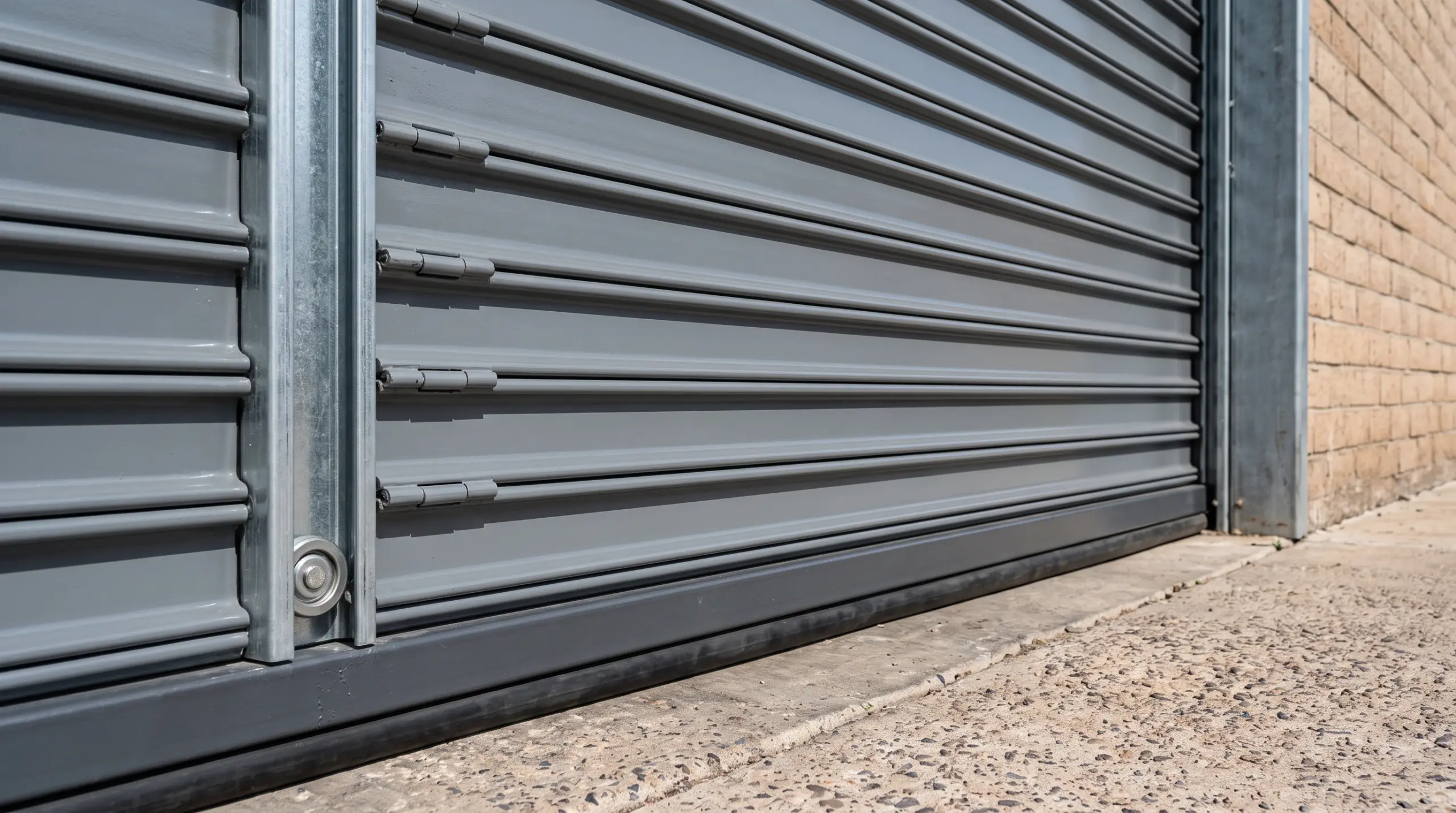
Roll-up door rust prevention is an important part of protecting your Phoenix investment. Although the Valley is known for its dry climate, intense heat, dust, irrigation overspray, and seasonal monsoon moisture can gradually damage exposed metal components. Once corrosion begins, it may affect panels, tracks, springs, fasteners, and operating hardware, leading to rough movement, security concerns, and expensive repairs.
This guide explains how rust develops, which areas require the most attention, and what property owners can do to extend the life of their roll-up doors. You will also learn how routine inspections, proper cleaning, timely touch-ups, and professional maintenance can help prevent commercial door rust in Arizona. For reliable protection throughout Phoenix, Arizona Roll Up Door Service provides expert installation, repair, and maintenance backed by over 20 years of experience.
Roll-Up Door Rust Prevention Starts With Understanding Phoenix Conditions
Phoenix weather creates a unique environment for roll-up door corrosion. The region’s low humidity may slow rust in some situations, but it does not eliminate the risk. High temperatures can weaken protective coatings over time, while airborne dust settles into tracks, hinges, and seams. When moisture eventually arrives, that trapped debris can hold water against vulnerable surfaces.
Monsoon storms are especially important. Wind-driven rain can reach areas that are normally sheltered, including the bottom edge, side guides, mounting hardware, and exterior-facing panels. In addition, landscaping systems, pressure washing, pool areas, and building maintenance can expose a roll-up door to moisture more often than expected. Even small scratches or chips can become entry points for corrosion.
Where Corrosion Commonly Begins
Rust often starts in places that are difficult to see during everyday operation. Pay close attention to:
- Scratches, dents, and chipped protective coatings
- Bottom bars and areas near the floor
- Side guides and track channels where dust collects
- Springs, brackets, bolts, and other exposed hardware
- Seams and overlaps where moisture may remain trapped
- Areas exposed to irrigation overspray or leaking plumbing
Early corrosion may appear as orange discoloration, bubbling paint, rough patches, or flaking around fasteners. These signs should not be ignored. Surface rust can spread beneath a coating and eventually weaken components that support safe, balanced operation.
Why Prevention Is More Cost-Effective
Preventative care is generally less expensive than replacing corroded parts after they fail. A clean, properly adjusted door also places less strain on springs, cables, tracks, and the opener. As a result, routine care can reduce emergency service calls while helping your roll-up door operate more quietly and consistently.
How Heat, Dust, and Monsoon Moisture Cause Damage
Corrosion requires more than water alone. It develops when moisture interacts with exposed metal, contaminants, and damaged protective surfaces. Phoenix dust can contain abrasive particles and chemical residue that wear down finishes. When dust mixes with rain or condensation, it forms a residue that may remain inside tracks and around hardware long after the visible water has disappeared.
Extreme heat also affects protective coatings and lubricants. Repeated expansion and contraction can contribute to small cracks, while degraded lubricant may allow friction between moving components. Friction creates heat and can remove protective finishes from contact points. Over time, this combination increases the possibility of corrosion and mechanical wear.
Monsoon Door Damage Prevention
Monsoon door damage prevention should begin before storm season, not after the first major rain. Inspect the door and surrounding building area for conditions that direct water toward the opening. Check roof drainage, downspouts, exterior seals, and irrigation heads. If water regularly splashes against the door, correcting the source may be more effective than repeatedly treating the resulting corrosion.
Before monsoon season, a property owner or facility manager should:
- Remove dirt and debris from tracks and the bottom edge
- Look for coating damage, bubbling, or newly exposed surfaces
- Confirm that drainage carries water away from the opening
- Check that the door closes evenly without binding
- Inspect mounting hardware for looseness or visible corrosion
- Schedule professional service if springs, cables, or tracks appear damaged
After a storm, allow the door to dry and inspect it for mud, windblown debris, and water intrusion. Do not force a door that has become stuck or unusually heavy. Forcing operation can worsen track damage or place unsafe stress on the spring and cable assembly.
Practical Corrosion Protection for Roll-Up Doors
Effective corrosion protection for roll-up doors combines cleaning, inspection, appropriate lubrication, and prompt repairs. A simple visual check each month can identify problems before they affect operation. Commercial facilities with frequent daily use may benefit from more frequent inspections, especially when the opening is exposed to dust, traffic, chemicals, or moisture.
Clean Without Creating New Problems
Use a soft brush or cloth to remove loose dust and debris. For heavier buildup, use mild soap and clean water, then rinse carefully and dry the surface. Avoid harsh chemicals, abrasive pads, and aggressive pressure washing. These methods can damage protective finishes, force moisture into bearings or electrical components, and drive debris deeper into tracks.
Pay special attention to the bottom edge and side guides. Dirt trapped in these areas can retain moisture and interfere with smooth travel. However, do not remove covers, adjust springs, or disassemble tensioned components unless you have the proper training. Springs and cables store substantial energy and should be handled by a qualified technician.
Use Lubrication and Touch-Ups Correctly
Moving parts should receive the lubricant recommended for the specific roll-up door system. Applying too much product can attract dust and create an abrasive paste. Lubricant should not be used to hide grinding, binding, or a door that is becoming increasingly difficult to operate. Those symptoms may indicate misalignment, worn hardware, or a spring problem.
Small coating chips should be cleaned, dried, and treated with a compatible touch-up product as soon as possible. Before applying anything, confirm that the surface is free of loose rust and contamination. Larger rust patches, bubbling, perforation, or weakened hardware require professional assessment rather than cosmetic treatment.
Maintenance Habits That Extend Door Life
To maintain roll-up doors in Phoenix, property owners should combine regular observation with scheduled professional service. A door can continue opening and closing even while internal wear is developing. By the time operation becomes noticeably slow or noisy, corrosion or mechanical damage may already be advanced.
Warning Signs to Watch For
Contact a qualified roll-up door technician when you notice:
- Sluggish, uneven, or unusually loud operation
- Visible rust that continues to spread after cleaning
- Flaking coating, swollen seams, or pitted surfaces
- A door that stops, shifts, or binds in the tracks
- Loose brackets, damaged fasteners, or frayed cables
- Broken springs or a door that feels unusually heavy
- Motor, opener, or safety sensor problems
- Water collecting near the opening or bottom edge
These issues can have more than one cause. For example, slow operation may result from inadequate lubrication, track contamination, incorrect spring tension, motor trouble, or corrosion. A professional diagnosis helps identify the actual source instead of treating only the visible symptom.
Schedule Preventative Service
A preventative maintenance program may include track cleaning and alignment, hardware tightening, lubrication of appropriate moving parts, spring and cable inspections, safety equipment testing, and performance adjustments. A technician can also identify coating damage and recommend repairs before corrosion reaches structural components.
Commercial properties often benefit from customized service schedules based on usage, door location, exposure, and operating conditions. High-traffic openings may require more frequent attention than a lightly used residential roll-up door. Regular service also supports workplace safety by helping ensure that the door reverses, stops, and travels as intended.
When to Call Arizona Roll Up Door Service
Some rust prevention tasks are straightforward, but damaged or tensioned components should be evaluated by an experienced professional. Arizona Roll Up Door Service has served businesses and property owners for over 20 years, providing installation, repair, and maintenance throughout the Phoenix metro region.
Our team can inspect corrosion concerns, sluggish operation, damaged panels, track alignment, springs, cables, motors, openers, and safety sensors. We carry a substantial inventory of replacement parts, which may allow for same-visit repairs when possible. If a door requires replacement or a new installation, we provide custom measurements, site assessments, safety testing, and dependable commercial-grade solutions designed for long-term performance.
We serve Central Phoenix and surrounding communities, including Avondale, Buckeye, Goodyear, Scottsdale, North Phoenix, and the broader West Valley. Whether your facility faces frequent dust, irrigation exposure, or seasonal storm moisture, a maintenance plan can help reduce downtime and protect your investment.
Conclusion: Protect Your Phoenix Roll-Up Door Investment
Roll-up door rust prevention is a practical investment in security, reliability, and operating costs. Phoenix heat, dust, irrigation, and monsoon moisture can all contribute to corrosion, especially when coatings are damaged or debris remains trapped around tracks and hardware. Regular cleaning, careful inspections, proper lubrication, drainage improvements, and timely repairs can significantly extend service life.
Do not wait for rust to cause binding, unsafe movement, or a complete operating failure. Contact Arizona Roll Up Door Service today for a free consultation. With over 20 years of experience, quality craftsmanship, competitive pricing, and prompt professional service, our team is ready to help keep your facility secure and functional throughout the Phoenix metro area.