Planning Phoenix roll-up door installation for a warehouse, retail facility, workshop, or home can feel complicated, especially when dependable access and security are essential. A new roll-up door must fit the opening precisely, operate safely, withstand frequent use, and perform reliably through intense heat, dust, and seasonal storms. Poor measurements or rushed installation can lead to uneven movement, premature wear, energy loss, and inconvenient downtime.
This guide explains what to expect from the roll-up door installation process and how to prepare your property before the technicians arrive. You will learn how a professional assessment works, what happens during installation, which site conditions matter in the Phoenix metro area, and how to protect your investment with proper maintenance. Arizona Roll Up Door Service brings over 20 years of experience to commercial and residential projects throughout Phoenix and surrounding communities.
Phoenix Roll-Up Door Installation: The Process From Assessment to Final Testing
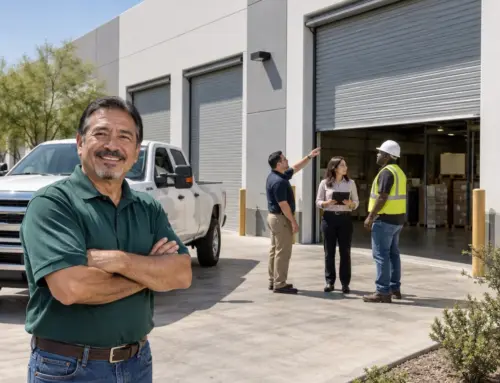
A successful installation begins well before the new roll-up door is delivered. The technician first evaluates the opening, surrounding structure, operating requirements, and available clearance. This assessment helps determine the correct door size, mounting method, spring or motor configuration, and safety equipment for the property.
1. Site assessment and measurements
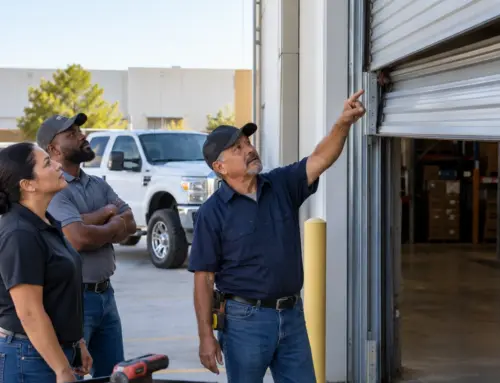
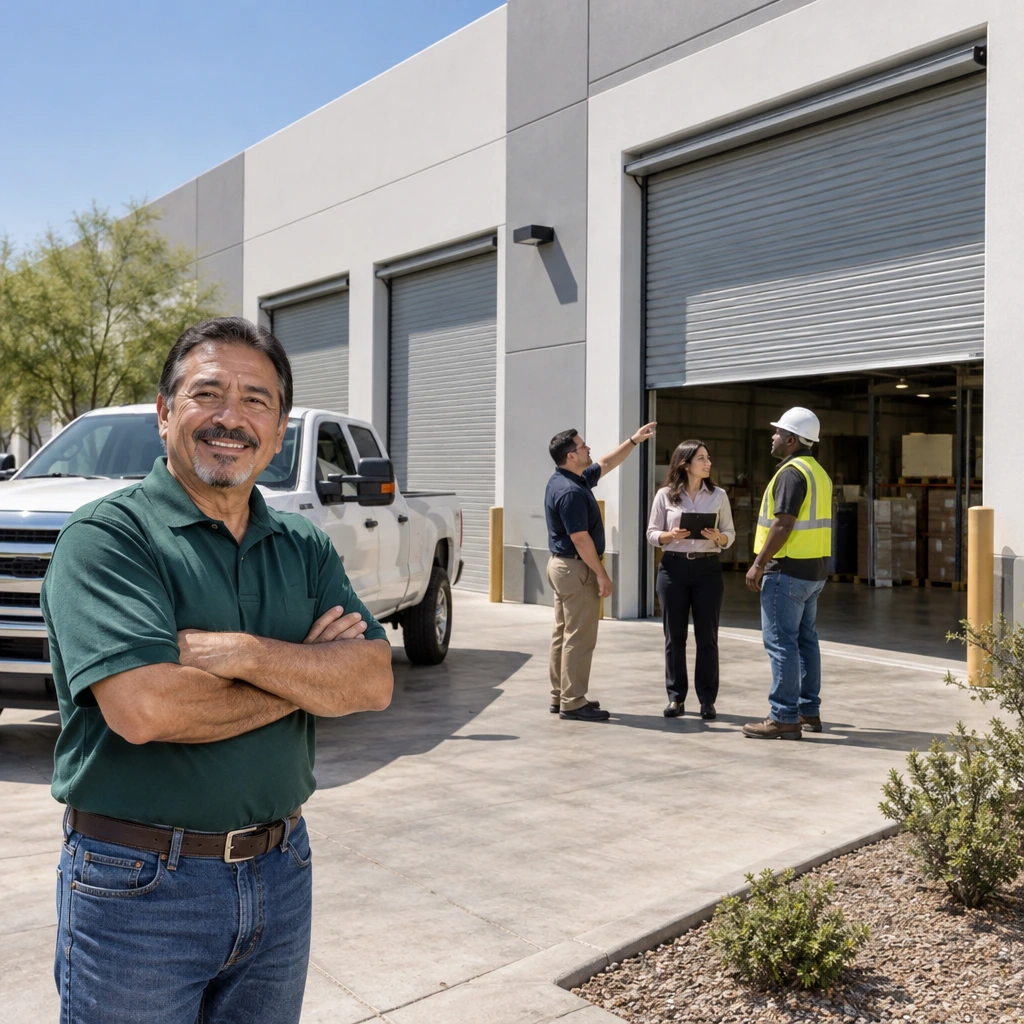
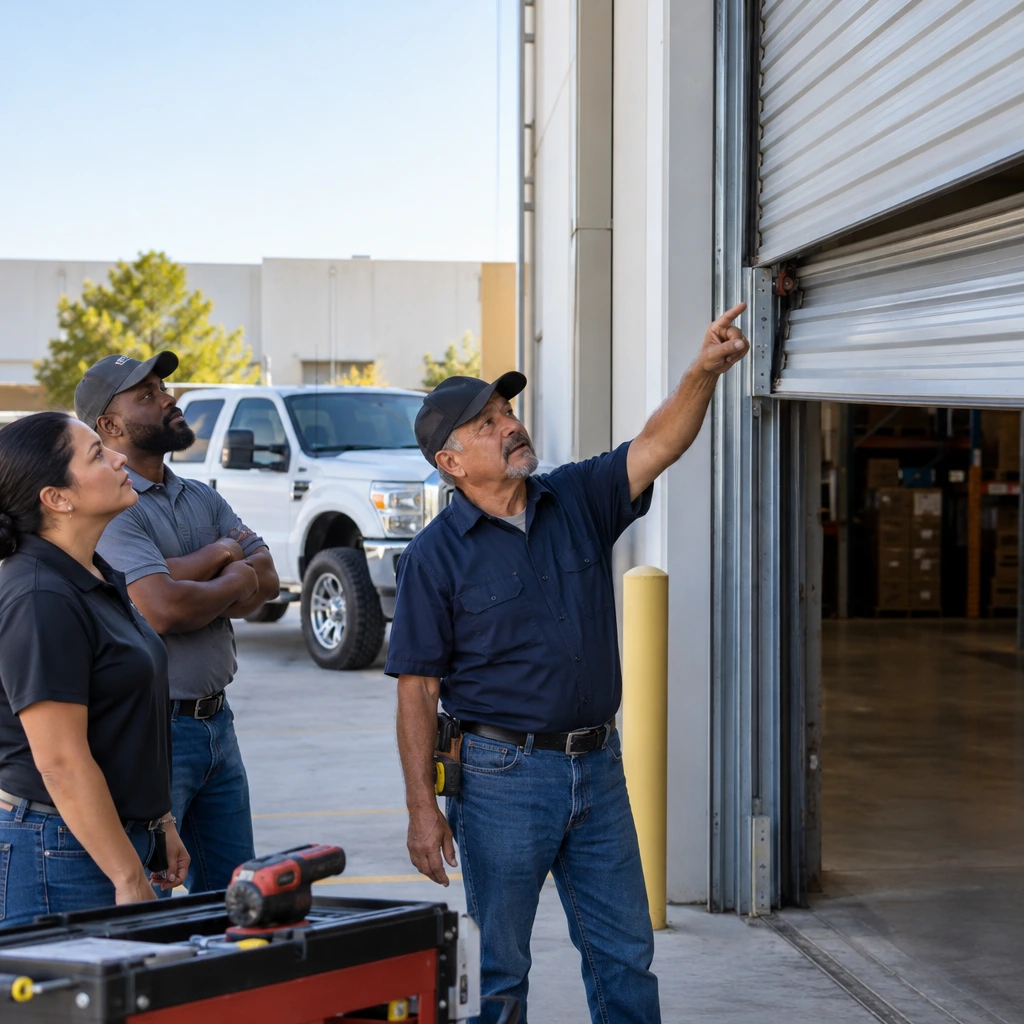
Accurate measurements are essential. The installation team typically checks the opening width and height, headroom above the opening, side room, backroom, floor condition, and the strength of the mounting surfaces. They also look for obstructions such as lighting, piping, shelving, ductwork, or electrical equipment that could interfere with the door curtain, guides, operator, or access controls.
For commercial door installation in Phoenix metro facilities, the technician may also discuss traffic volume, delivery schedules, security expectations, insulation needs, and the type of equipment moving through the opening. A low-use storage area may need a different configuration than a busy distribution center.
2. Door selection and preparation
After the assessment, you will receive recommendations based on the opening and how the door will be used. Options may include manual or motorized operation, keyed or remote access, vision panels, weather seals, wind considerations, and safety devices. The goal is to balance durability, performance, operating speed, and budget rather than selecting a product based only on appearance.
Before work begins, remove vehicles, inventory, tools, and movable equipment from both sides of the opening. Clear a safe work area and identify any restricted-access zones. If the property is a business, inform employees and delivery drivers about the scheduled installation. This preparation helps the crew work efficiently and reduces interruptions to your normal operations.
3. Installation and commissioning
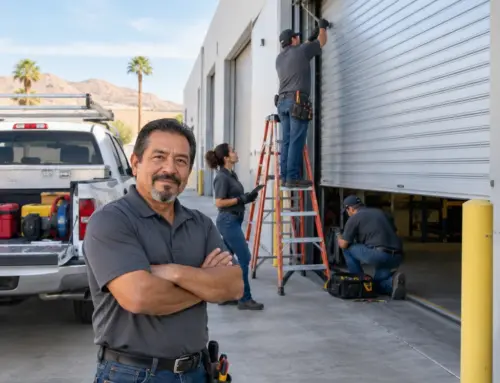
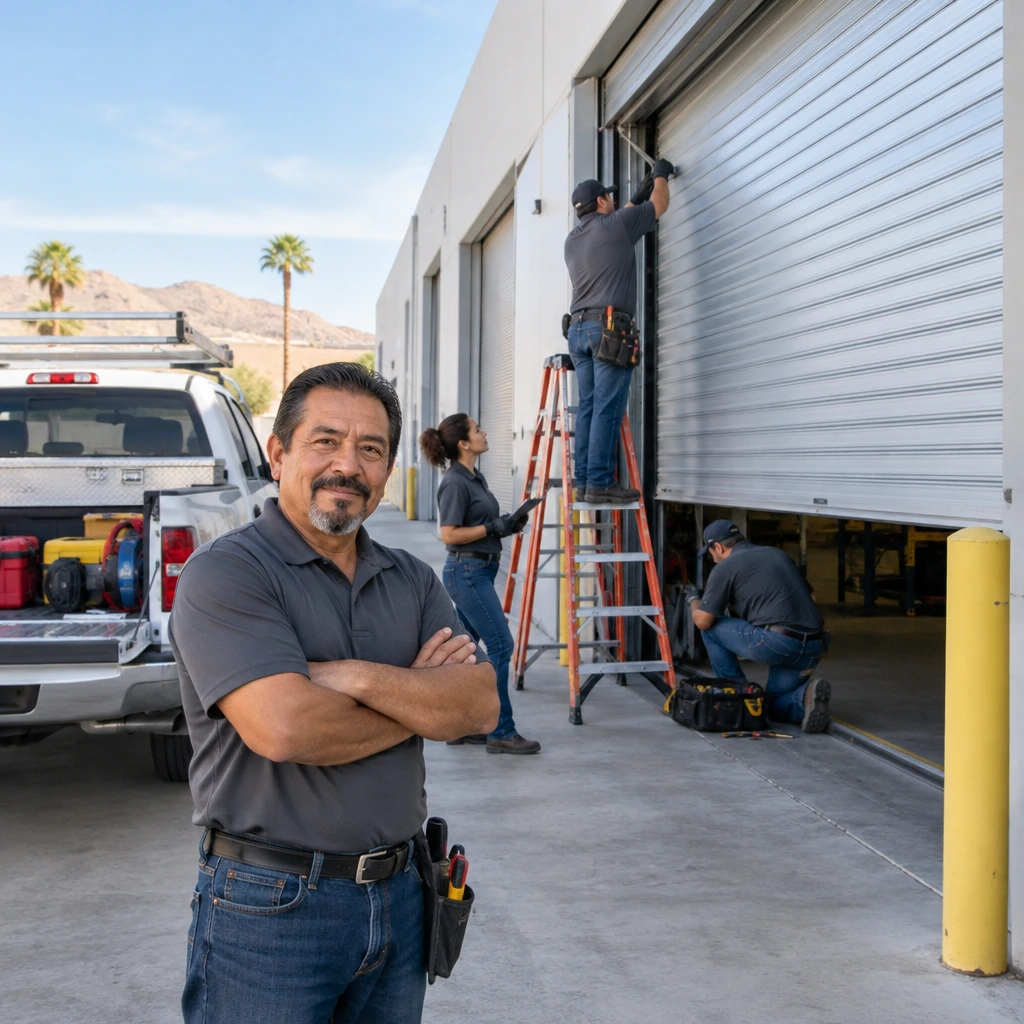
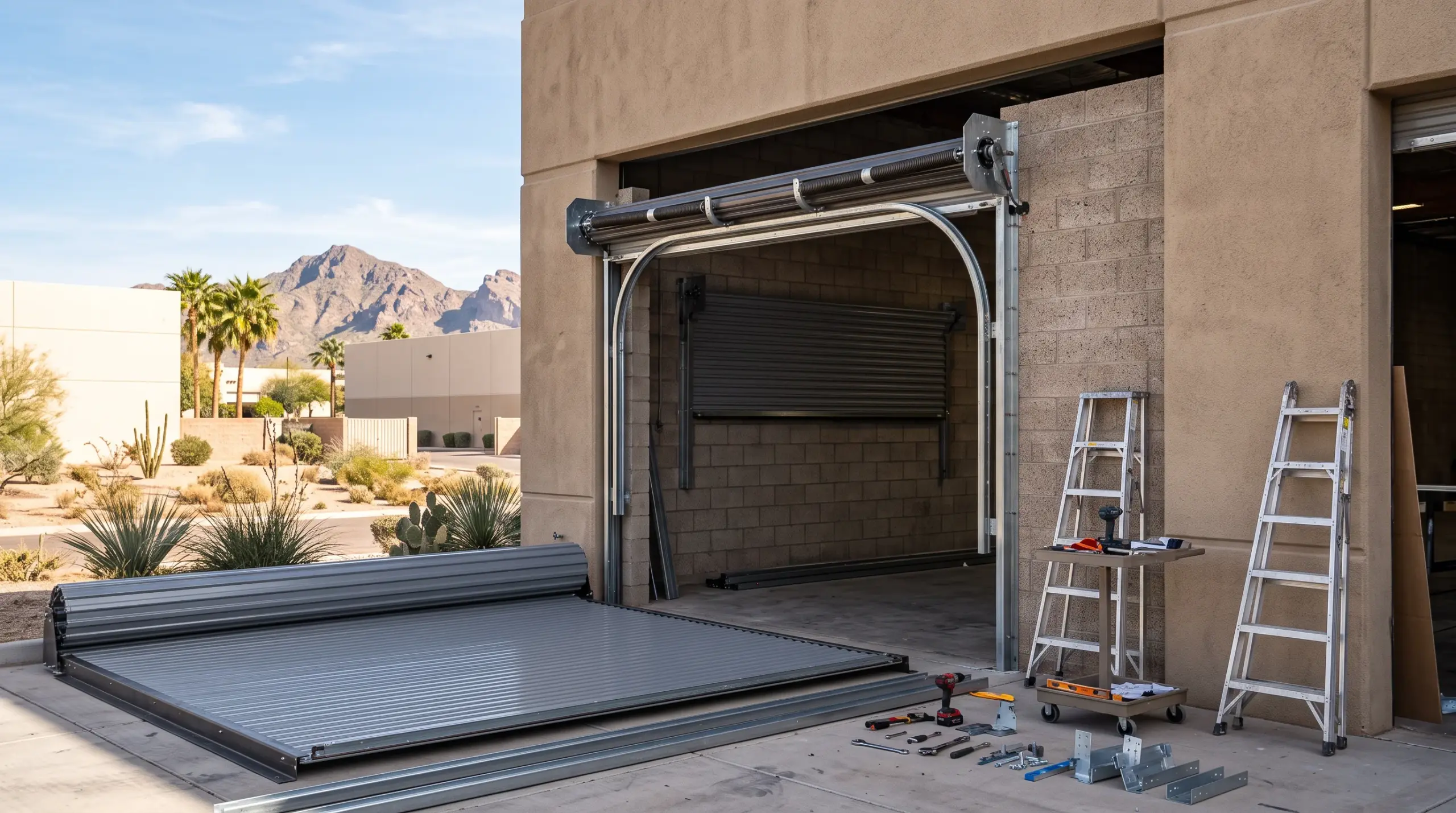
On installation day, technicians secure the guides, brackets, barrel or curtain assembly, operator, and related hardware according to the project specifications. They then connect controls and safety equipment when included in the design. Once the door is assembled, it is cycled repeatedly to check balance, alignment, travel limits, stopping points, and smooth operation.
Professional technicians also inspect fasteners, test obstruction response, verify sensor operation, and review the controls with the property owner or manager. With careful planning, many projects can be completed with minimal business downtime.
How to Prepare Your Phoenix Property Before Installation
Good preparation makes the installation safer and more predictable. It also gives you an opportunity to resolve conditions that might otherwise delay the project. Arizona Roll Up Door Service can explain specific requirements after reviewing your site, but the following checklist is useful for most Phoenix projects.
- Confirm access: Make sure technicians can reach the opening, electrical panel, storage area, and any control equipment.
- Clear the work zone: Move vehicles, pallets, merchandise, ladders, and equipment away from the opening.
- Review electrical needs: Identify the location and capacity of the power supply if a motorized operator is planned.
- Protect sensitive inventory: Cover or relocate items that could be affected by dust, drilling, or overhead work.
- Plan for traffic changes: Arrange alternate entry points for employees, customers, and deliveries during the installation.
- Share site information: Tell the installer about security systems, access-control requirements, unusual operating schedules, and previous door problems.
- Check property rules: Confirm landlord, property manager, insurance, or local permitting requirements before work starts.
Preparing a business location
For business door installation in Avondale, Phoenix, or another West Valley community, timing is especially important. Schedule the work during a slower period when possible, and make a plan for loading areas that must remain accessible. If the opening serves a warehouse or service bay, coordinate with suppliers and customers so deliveries do not arrive while the work area is closed.
Keep the installation zone well lit and provide a safe path for technicians. If forklifts or other equipment operate nearby, designate a temporary route and assign someone to manage traffic. These simple steps help protect people, inventory, and the new equipment.
Preparing a residence or small facility
Residential and small commercial properties should also have a clear opening and accessible power source. Secure pets, children, and personal belongings away from the work area. If the door connects to a workshop or storage space, remove items that could block the guides or interfere with testing.
Why Phoenix Conditions Matter for Roll-Up Door Performance
Phoenix properties face environmental conditions that should be considered during roll-up door installation. Intense sunlight and high temperatures can affect exposed seals, lubricants, finishes, and electronic components over time. Fine dust can collect in tracks and moving parts, while monsoon winds may push debris into the opening or place additional demands on the door assembly.
Heat, dust, and seasonal storms
A professional assessment should account for how the door is positioned and how often it operates. Weather seals can help limit air, dust, and pest infiltration when the opening is closed. Proper track alignment reduces friction, and suitable lubrication helps moving parts operate without unnecessary strain. If the opening is exposed to wind, the installer can discuss configurations and hardware appropriate for the site.
In North Phoenix, Scottsdale, and surrounding communities, a facility may experience different exposure levels depending on landscaping, nearby construction, and the direction of the opening. A door facing a busy unpaved lot, for example, may need more frequent cleaning than one inside a protected loading area.
Local planning and compliance
Building requirements can vary by city and property type. Phoenix-area projects may involve local permit rules, electrical requirements, fire-safety considerations, accessibility needs, or property-management approvals. Requirements can also differ between Phoenix, Scottsdale, Avondale, Buckeye, and Goodyear. Your installer should help identify project considerations, while the property owner remains responsible for confirming applicable approvals.
For professional door installation in Scottsdale or commercial work anywhere in the Phoenix metro area, ask questions about operating clearance, emergency access, safety equipment, and inspection expectations before approving the project. Addressing these details early is easier and less expensive than modifying an installation later.
What to Expect After Installation
A newly installed roll-up door should open and close smoothly, remain aligned, and respond consistently to its controls. During the final walkthrough, the technician should explain normal operation, demonstrate safety features, and identify any maintenance tasks appropriate for the door. Ask how to use manual overrides, emergency release features, keypads, remotes, or access-control equipment if those components are included.
Signs of a properly completed installation
- The curtain or sections travel evenly without scraping, binding, or unusual hesitation.
- The door stops at the correct open and closed positions.
- Guides, brackets, and fasteners are secure and properly aligned.
- Safety sensors and obstruction-response features work as intended.
- The operator does not strain, chatter, or run excessively hot during normal cycles.
- Weather seals contact the surrounding surfaces appropriately.
- You receive operating and care instructions from the installation team.
Do not ignore unusual noise, slow movement, shaking, or a door that reverses unexpectedly. These symptoms may indicate an alignment issue, obstruction, spring or cable problem, motor concern, or safety-sensor malfunction. Prompt service is generally safer and more economical than continuing to operate a damaged door.
Planning for long-term reliability
Even a quality installation needs routine attention. Preventative maintenance can include track cleaning, lubrication of approved moving parts, hardware tightening, spring and cable inspections, safety testing, and operator adjustments. The ideal schedule depends on usage, exposure, and the door’s design. A busy commercial opening may need more frequent inspections than a lightly used residential opening.
Arizona Roll Up Door Service also handles repairs when problems arise, including sluggish operation, damaged panels, broken spring and cable assemblies, track misalignment, motor issues, and sensor failures. Keeping replacement components available can make same-visit repairs possible when scheduling and conditions allow.
Choosing the Right Installation Partner in Phoenix
Installation quality affects security, safety, energy performance, and the total cost of ownership. Look for a company with experience in the type of property and operating conditions involved. Commercial facilities often require more than basic installation; they need accurate scheduling, durable components, minimal disruption, and a clear plan for future service.
Arizona Roll Up Door Service has served businesses and property owners for over 20 years. The company provides roll-up door installation, repair, and maintenance throughout Phoenix, including Central Phoenix, Avondale, Buckeye, Goodyear, Scottsdale, North Phoenix, and surrounding communities. Its team focuses on careful measurements, quality craftsmanship, competitive pricing, and dependable communication from the initial consultation through final testing.
Before selecting an installer, ask whether the estimate covers removal of an existing unit, disposal, electrical work, controls, safety equipment, permits, cleanup, and follow-up adjustments. A clear scope helps prevent unexpected costs and ensures everyone understands what the finished project should include.
Conclusion: Prepare for a Smoother Roll-Up Door Installation
Preparing for Phoenix roll-up door installation starts with accurate measurements, a clear work area, realistic scheduling, and a conversation about how the door will be used. Local heat, dust, monsoon conditions, traffic levels, and property requirements all deserve attention before installation begins. Once the door is in place, regular inspections and maintenance help preserve smooth operation and reduce avoidable emergency repairs.
Arizona Roll Up Door Service provides expert installation, repair, and maintenance for commercial and residential customers across the Phoenix metro region. Contact Arizona Roll Up Door Service today for a free consultation, or call for prompt, professional service. Let the experienced team help keep your facility secure, accessible, and functional for years to come.