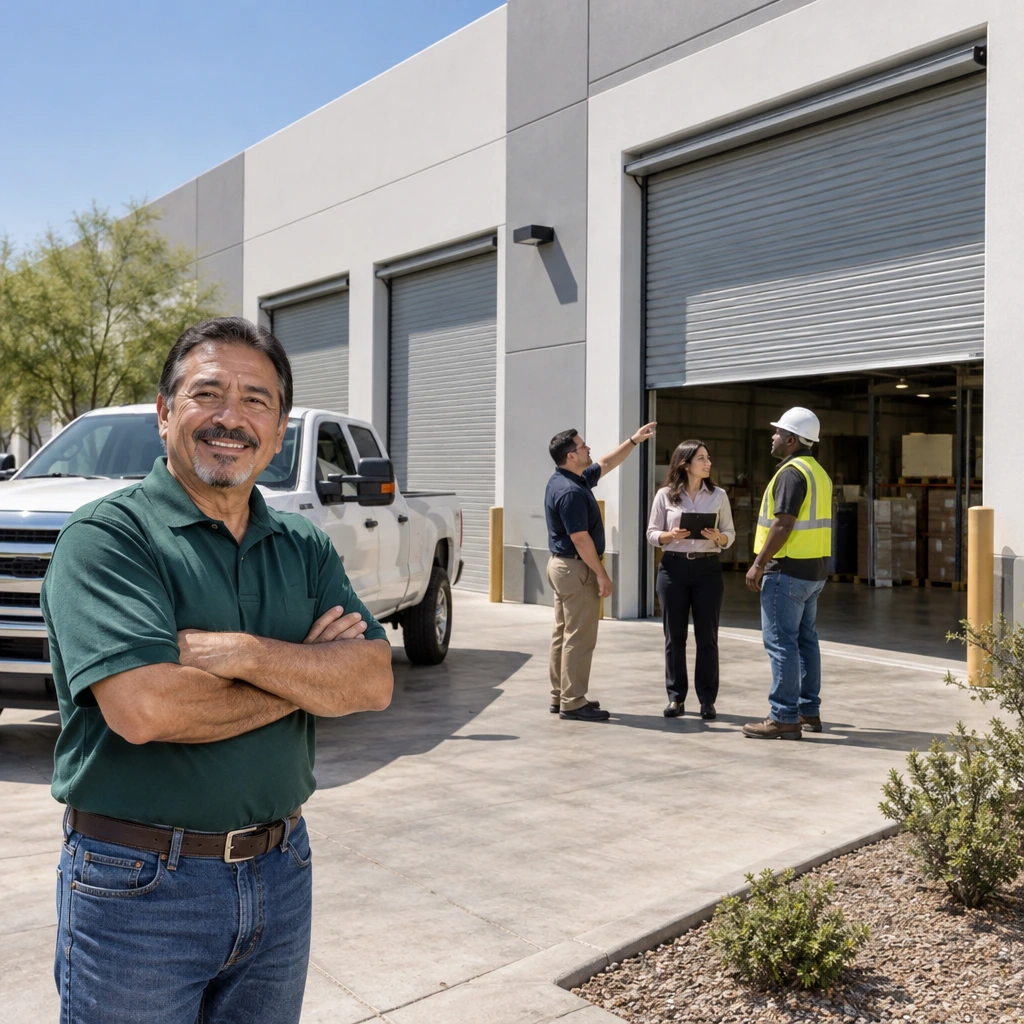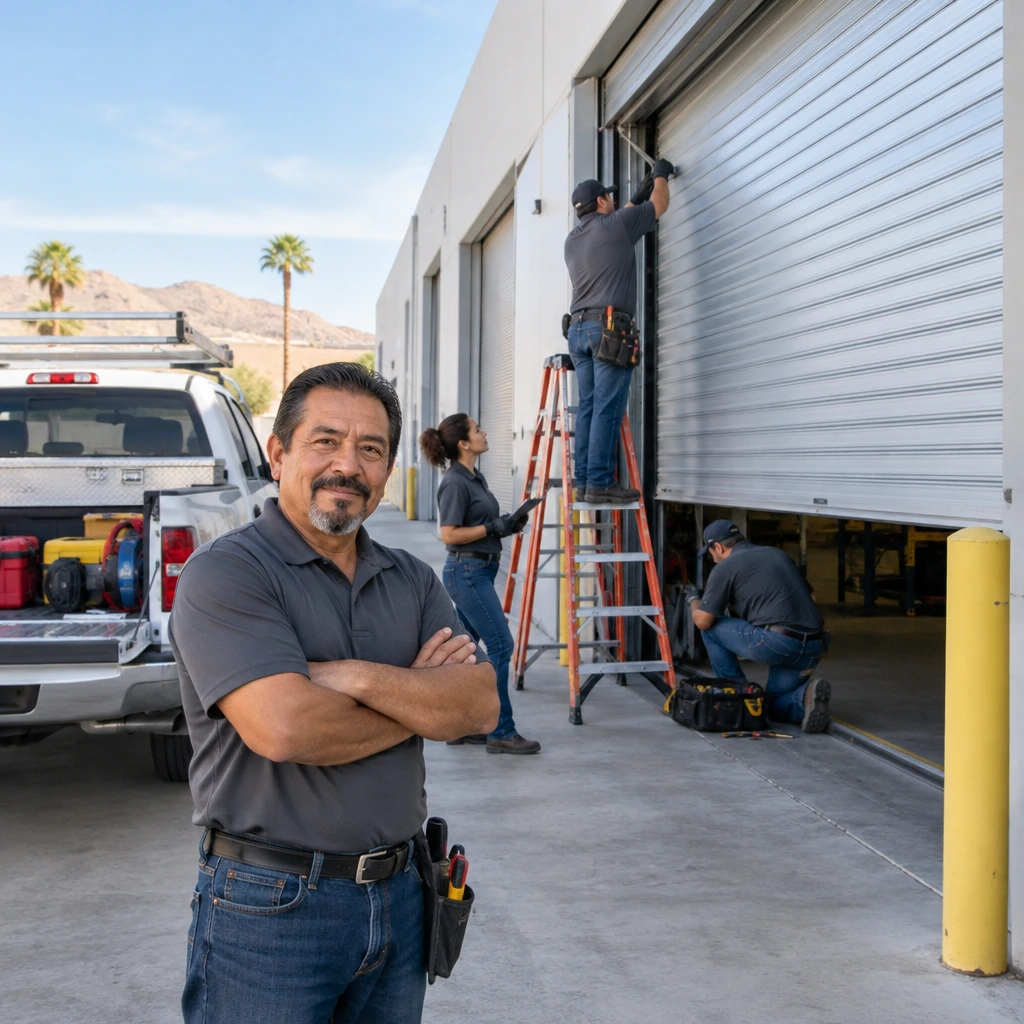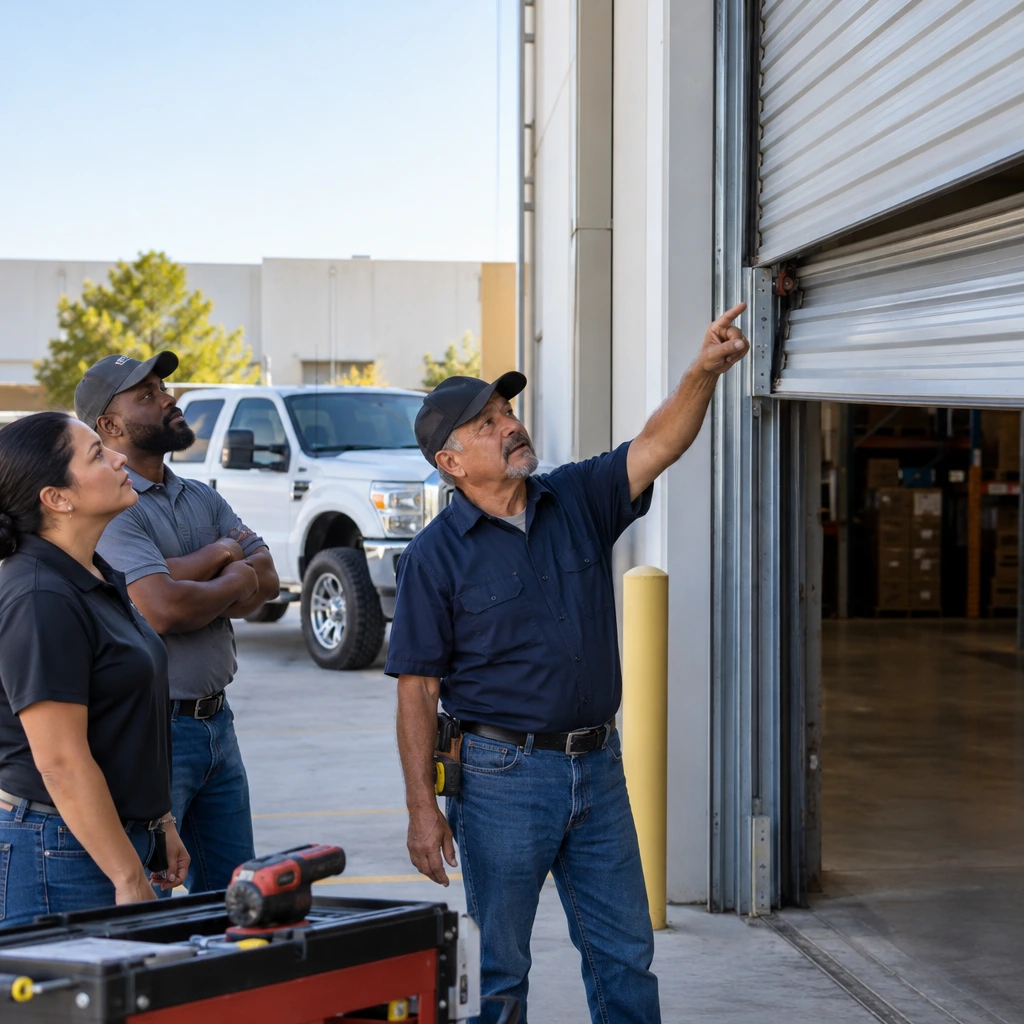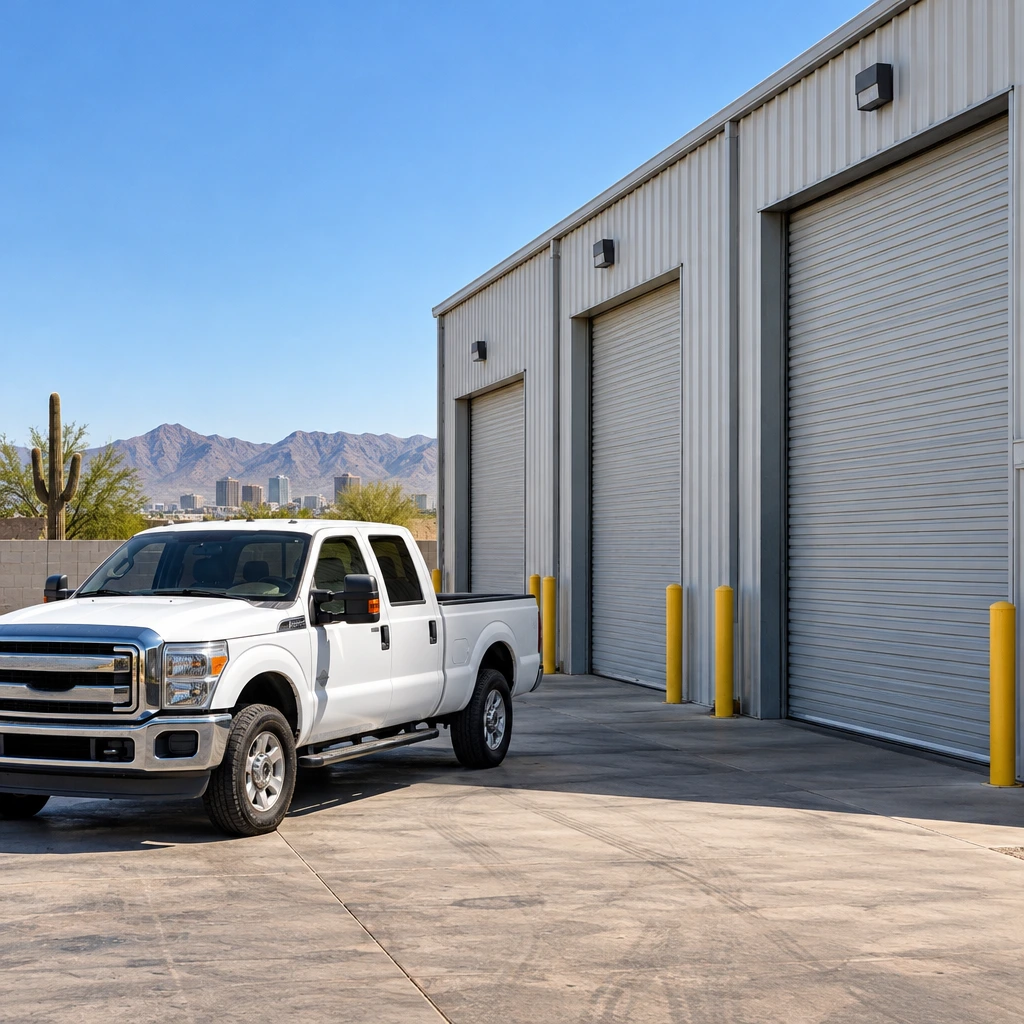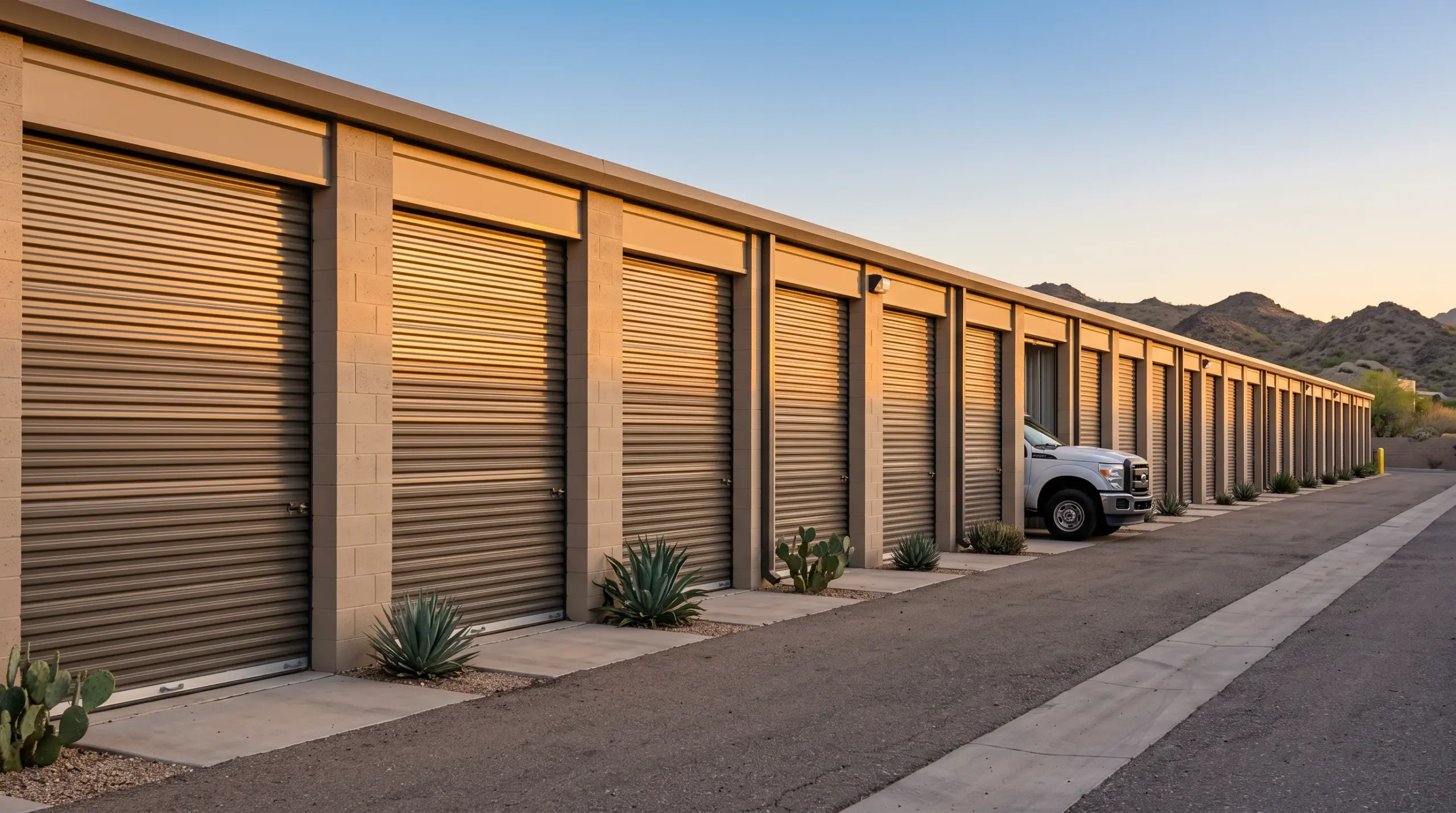
In Arizona, storage facilities depend on reliable access doors to protect units, inventory, vehicles, and business equipment throughout the year. Storage Unit Roll-Up Doors in Phoenix face intense sunlight, dust, monsoon moisture, temperature swings, and frequent daily use. Without routine care, small problems such as loose hardware or a dirty track can quickly become costly operational disruptions.
This guide explains practical maintenance tips for keeping storage unit roll-up doors safe, secure, and dependable. You will learn what facility owners and managers should inspect, which tasks can be handled during routine walkthroughs, and when professional service is the safer choice. With a consistent maintenance plan from Arizona Roll Up Door Service, storage facilities can reduce emergency repairs, extend door life, and provide customers with smooth, convenient access.
Storage Unit Roll-Up Doors in Phoenix: Why Routine Maintenance Matters
Storage unit roll-up doors are built for repeated operation, but durability does not eliminate the need for maintenance. Every opening and closing cycle places stress on springs, cables, tracks, rollers, hinges, panels, and operating equipment. Over time, dust and debris can restrict movement, while heat and moisture may accelerate wear on exposed components.
A neglected door may begin with a minor symptom: it moves more slowly, makes unusual sounds, or stops short of fully opening. If the issue is ignored, the door may become difficult to operate or fail during a busy rental period. For a storage facility, that can lead to tenant complaints, security concerns, and lost time for employees.
Maintenance protects security and customer access
A properly maintained door closes completely, aligns with its guides, and operates as intended. This helps protect stored belongings from unauthorized access and limits exposure to dust, wind, and rain. It also supports a better customer experience because renters can access their units without struggling with a sluggish or unreliable door.
Preventive care costs less than repeated emergency service
Regular inspections can identify worn rollers, loose fasteners, damaged panels, and cable or spring concerns before they cause a complete failure. Preventive maintenance is especially valuable for facilities with dozens or hundreds of units, where a small percentage of malfunctioning doors can create a steady stream of service calls.
Arizona Roll Up Door Service provides customized maintenance programs for commercial properties throughout Phoenix and the surrounding metro area. Scheduled lubrication, adjustments, safety testing, and component inspections help facility owners plan expenses instead of reacting to unexpected breakdowns.
Key Inspection Points for Storage Facility Door Maintenance Phoenix
A structured inspection makes maintenance more consistent. Facility teams should use the same checklist during routine property walks and document unusual sounds, visible damage, or changes in performance. A visual inspection is useful, but it should never replace professional evaluation of high-tension components.
Check tracks, guides, and operating movement
Tracks and side guides should remain clear of dirt, loose fasteners, bent sections, and other obstructions. A door that rubs against the guide or shifts from side to side may have an alignment problem. Forcing it to move can worsen the damage and place additional strain on the operating mechanism.
Listen for grinding, scraping, popping, or repeated rattling. These sounds can indicate worn rollers, inadequate lubrication, loose hardware, or a developing alignment issue. The door should travel smoothly without hesitation or sudden stops.
Inspect panels, hardware, and seals
Look for bent or dented panels, cracked sections, loose brackets, missing fasteners, and signs of impact. Even minor panel damage can affect alignment and make the door harder to secure. Check the bottom edge and perimeter for gaps that could allow dust, water, or pests to enter the unit.
During a routine inspection, use this basic checklist:
- Confirm that the door opens and closes evenly.
- Look for bent guides, damaged panels, or loose hardware.
- Check for unusual noise, vibration, or resistance.
- Remove safe-to-clear debris from the surrounding area.
- Verify that the door closes fully and latches correctly.
- Record problems and schedule professional service promptly.
Do not attempt to straighten heavily damaged guides, adjust spring tension, or replace cables without proper training. These components can store substantial energy and require the correct tools and procedures. A professional technician can identify the underlying cause instead of treating only the visible symptom.
Lubrication, Cleaning, and Seasonal Protection in Arizona
Dust is a constant maintenance concern for storage unit roll-up doors Arizona property owners rely on. Fine particles can collect in tracks, around rollers, and on moving hardware. When combined with grease or moisture, this buildup may create drag and cause components to wear faster. Regular cleaning and appropriate lubrication support smoother operation.
Use the right maintenance products
Clean accessible tracks and guides according to the manufacturer’s recommendations. Avoid applying heavy grease where it can attract dust and create an abrasive paste. A technician can identify the appropriate lubricant for rollers, hinges, bearings, and other moving parts.
Lubrication should be applied sparingly and on a regular schedule rather than only after the door begins making noise. Excess product can migrate onto panels, flooring, or stored items. After lubrication, the door should be operated several times so the product distributes evenly and technicians can confirm whether resistance remains.
Prepare for heat, dust, and monsoon conditions
Phoenix-area weather creates several seasonal challenges. Prolonged heat may affect lubricants, seals, and operating equipment, while monsoon wind can drive dust and moisture into exposed areas. Strong weather events may also leave branches, gravel, or other debris near the door opening.
Before the hottest part of the year, schedule an inspection of springs, cables, fasteners, tracks, and operating equipment. Before monsoon season, verify that doors close fully and that facility staff know how to report water intrusion or wind-related damage. After severe weather, inspect the property for impact, debris, and alignment problems before allowing affected doors to return to normal use.
These steps provide practical roll-up door protection Maricopa County facility operators can include in their broader property maintenance program. They will not prevent every failure, but they can reduce avoidable wear and help reveal problems early.
Common Problems and When to Call a Professional
Some door concerns are minor maintenance issues, while others require immediate professional attention. Prompt service is important because continuing to operate a damaged door may increase repair costs or create a safety hazard.
Slow operation, broken springs, and cable concerns
Sluggish movement can result from inadequate lubrication, track resistance, worn rollers, spring fatigue, or an operating equipment problem. A technician can test the door’s balance and inspect the components responsible for lifting and controlled movement.
Broken springs and cables should never be handled as a do-it-yourself repair. Replacing them involves stored tension and precise adjustment. Arizona Roll Up Door Service can diagnose the failure and install quality replacement components designed for the door’s application.
Panels, alignment, and operating equipment
Impact damage may bend a panel, shift a guide, or prevent the door from seating correctly. Depending on the extent of the damage, a technician may recommend panel replacement, section repair, guide realignment, or related hardware adjustments. Repairing the actual cause is essential; replacing one visible part may not solve the problem if the door frame or track is also affected.
Motor and opener issues can appear as intermittent operation, unusual humming, failure to respond, or a door that stops before reaching the floor. Safety equipment should also be tested regularly. If sensors are dirty, misaligned, damaged, or malfunctioning, the door may not respond as expected.
Contact a professional promptly when you notice:
- A door that is stuck open, stuck closed, or difficult to lift.
- Frayed cables, broken springs, or visibly bent components.
- Repeated sensor or control failures.
- Significant scraping, shaking, or unusual impact noise.
- Gaps that compromise security or allow weather inside.
- Damage following a vehicle impact or severe storm.
Arizona Roll Up Door Service offers commercial storage door repair throughout Phoenix, including fast diagnosis and same-day service when possible. A fully stocked inventory of common replacement parts can also help reduce downtime during many visits.
Building a Reliable Maintenance Schedule for Storage Facilities
The most effective maintenance plan combines daily awareness, scheduled inspections, and professional service. Employees can report changes in performance during normal operations, while qualified technicians handle adjustments, safety testing, and repairs that require specialized knowledge.
Suggested maintenance intervals
Daily or weekly checks should focus on operation, visible damage, obstructions, and complete closure. Monthly reviews can include a more detailed examination of tracks, panels, fasteners, seals, and control equipment. The precise frequency should reflect door usage, environmental exposure, and the facility’s number of units.
Professional maintenance should be scheduled at least periodically and more often for high-use locations. During each visit, a technician can lubricate moving parts, inspect spring and cable tension, test safety equipment, clean and align tracks, tighten hardware, and identify components nearing the end of their service life.
Keep records and prioritize recurring issues
Maintenance records should include the date, door location, symptoms, work completed, parts replaced, and recommended follow-up. This information helps identify patterns. For example, repeated alignment problems in one row may point to a structural or impact issue rather than normal wear.
A customized schedule also helps property managers coordinate service during lower-traffic periods. That minimizes disruption for tenants while keeping essential access available. For facilities across central Phoenix, Scottsdale, North Phoenix, Avondale, Buckeye, Goodyear, and nearby communities, local technicians can tailor recommendations to the site’s operating demands and Arizona conditions.
Conclusion: Protect Your Investment With Professional Maintenance
Well-maintained storage unit roll-up doors help protect tenants’ belongings, support facility security, and reduce interruptions throughout the year. Simple observation, regular cleaning, appropriate lubrication, and prompt reporting can prevent many avoidable problems. However, springs, cables, alignment issues, operating equipment, and safety components should be evaluated by trained professionals.
Arizona Roll Up Door Service has over 20 years of experience providing expert installation, repair, and maintenance for commercial properties throughout the Phoenix metro area. Our team delivers quality craftsmanship at competitive prices and works to keep your facility dependable and functional. Contact Arizona Roll Up Door Service today for a free consultation, or call us for prompt, professional service and a maintenance plan tailored to your storage facility.